Can You Breathe
About Pillar Roofing
Testing How Well Your Attic Breathes
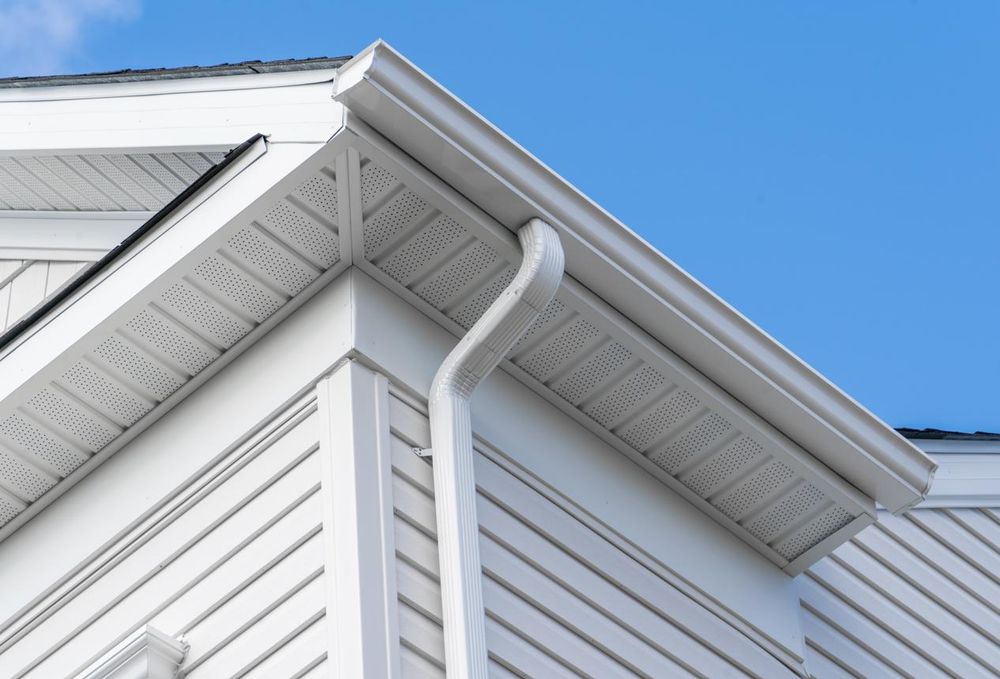
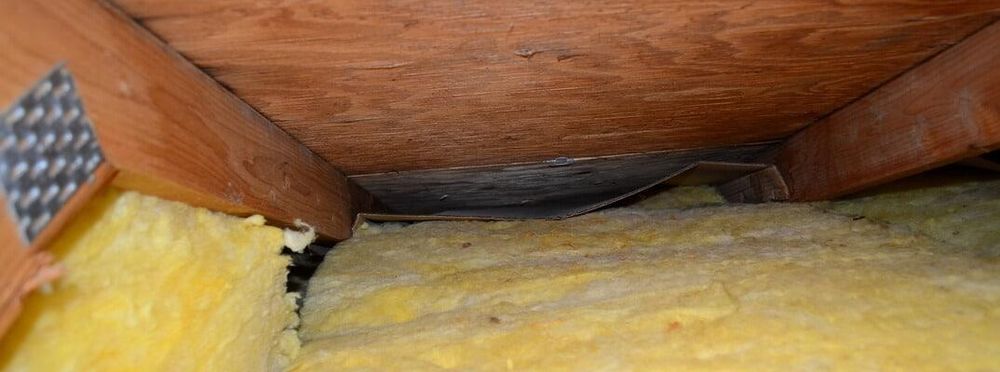
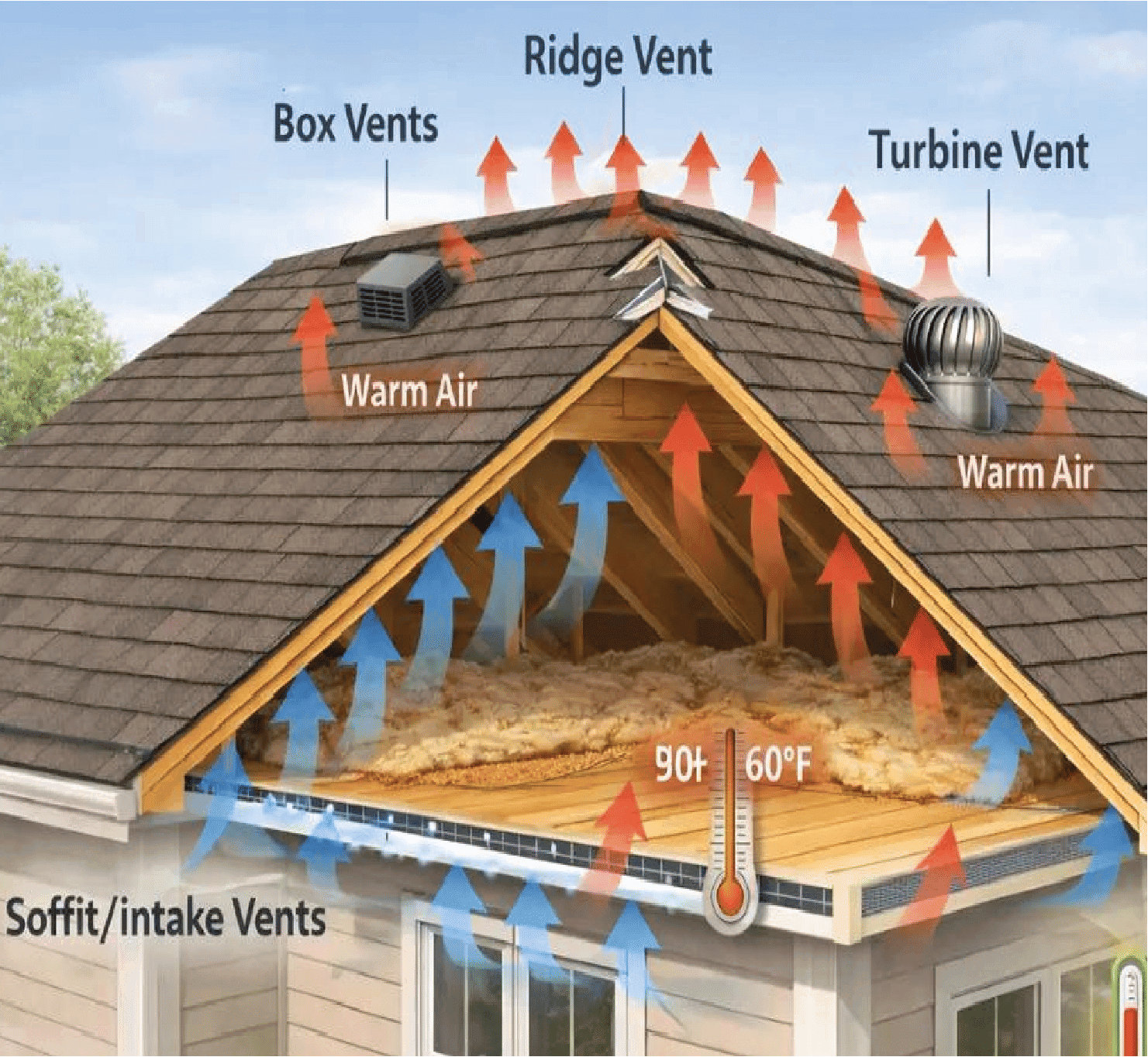
Proper attic ventilation depends on a balanced flow of fresh air entering through the soffits and warm, moisture-laden air escaping through the roof’s exhaust vents.
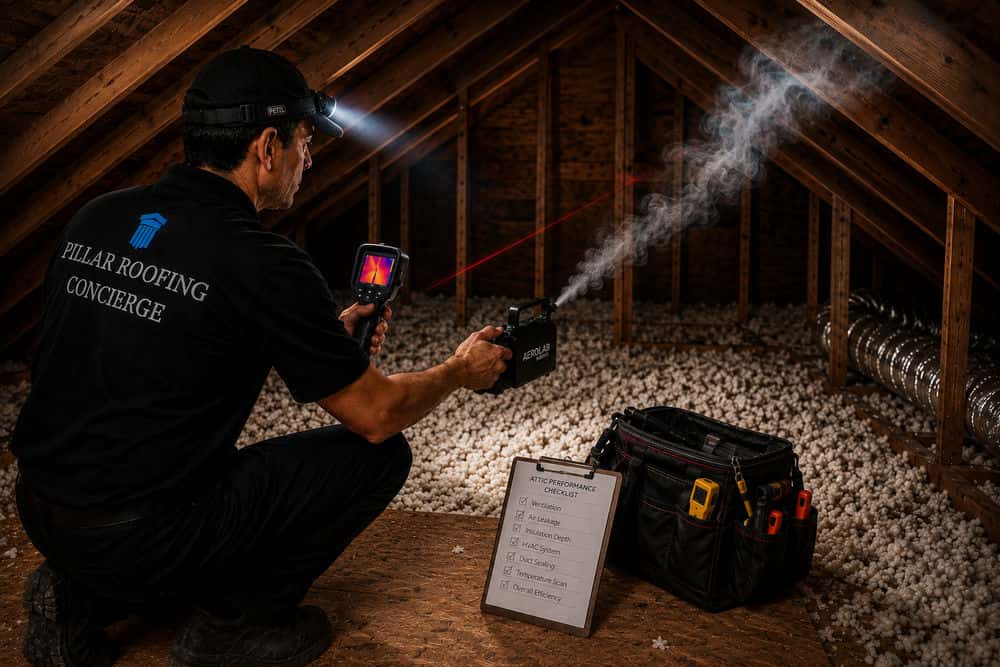
Your Pillar Roofing Concierge uses controlled diagnostic smoke to reveal the direction and strength of airflow, while infrared temperature readings identify heat buildup and poorly ventilated areas.
These tests show whether existing vents are working correctly, obstructed, or simply inadequate for the size and design of the attic. With real data instead of guesswork, we can recommend the appropriate remedy—whether that means clearing restricted intake vents, improving the ventilation balance, or adding a more proactive exhaust solution.
About Pillar Roofing
Fight Texas attic heat-gain
Dynamics of Heat Gain in Your Attic:
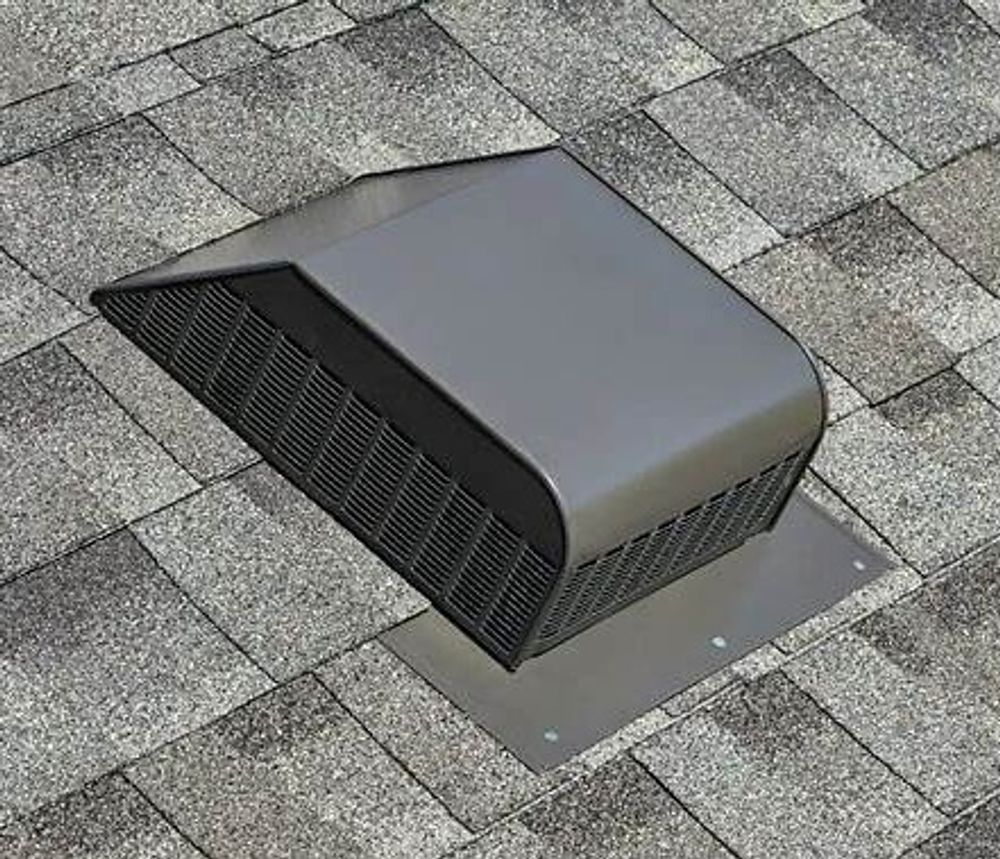
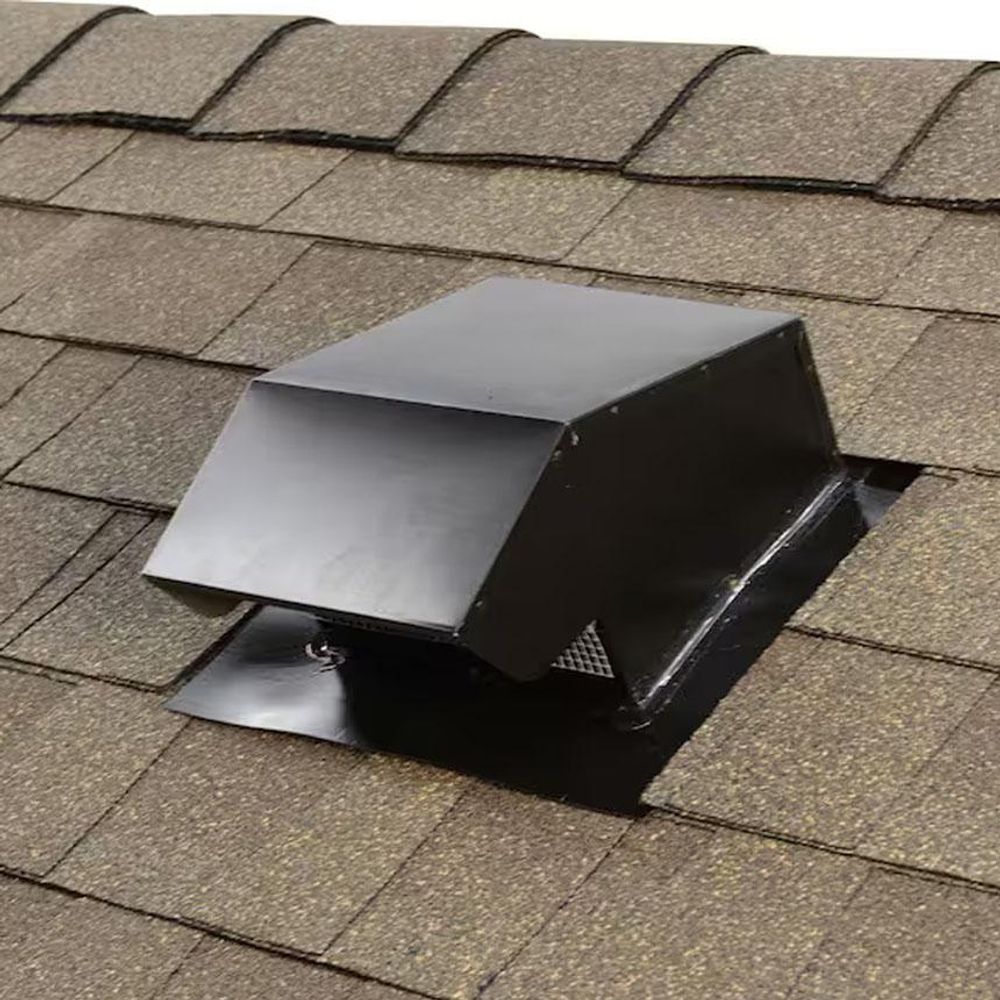
Texas attics can exceed 140°F. Passive vents release some heat, but trapped hot air radiates in every direction, heating the insulation and increasing the workload on your A/C.
What the Builders Installed:
Builder-installed vents rely on hot air rising. This passive ventilation does not begin working effectively until heat has already built up and expanded throughout the attic.
Solar Attic Fans & Temperature Inversion:
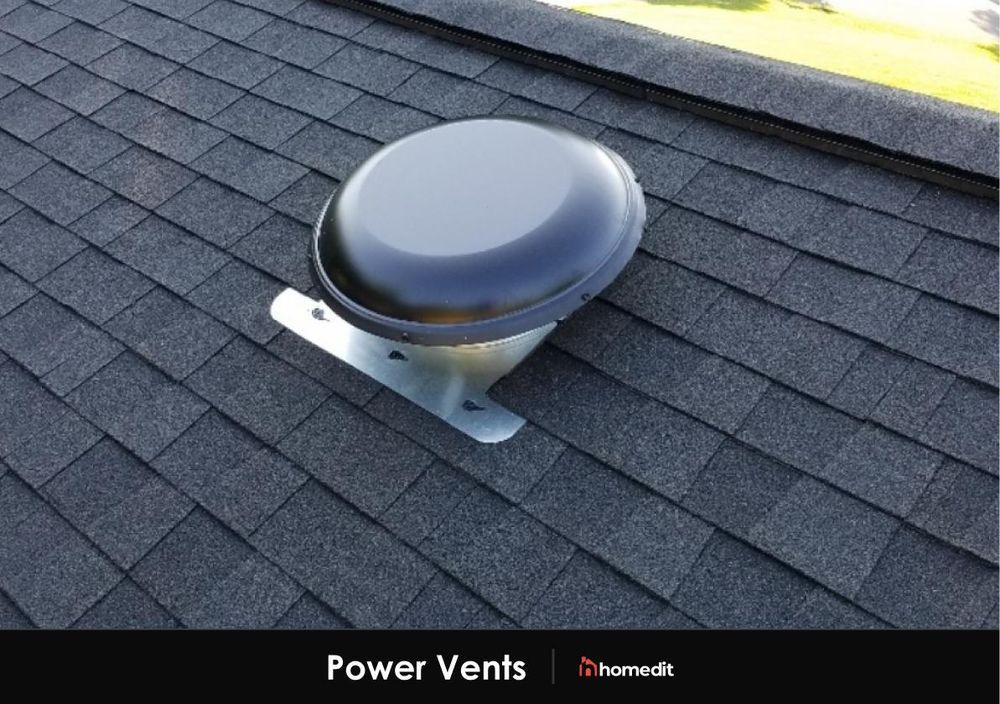
Cooler, moisture-heavy air settles into the attic overnight and heats rapidly the next morning. This cycle increases indoor heat and can contribute to mold and mildew. Solar attic fans proactively address both problems.
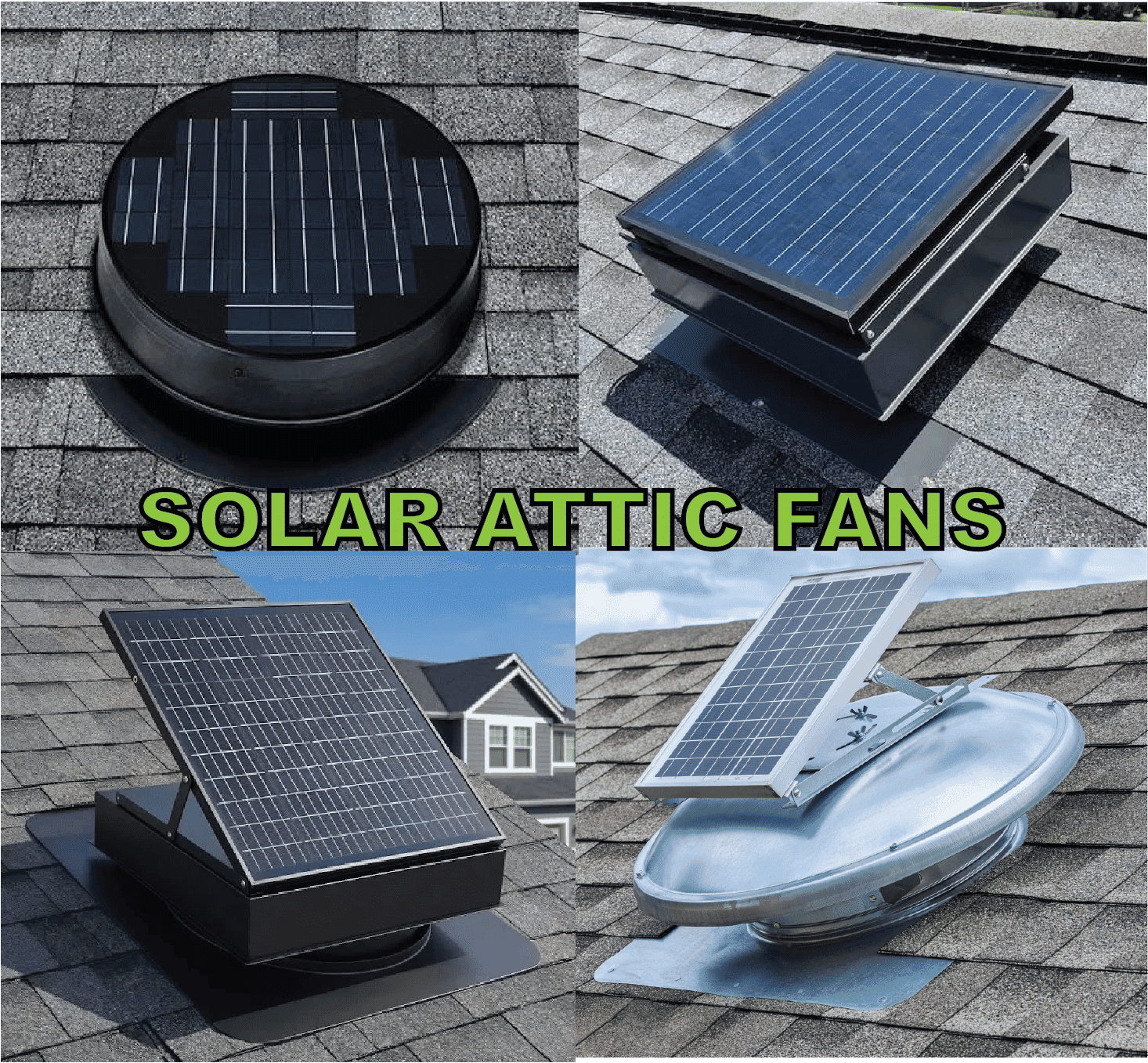
Why & How Solar Attic Fans Work:
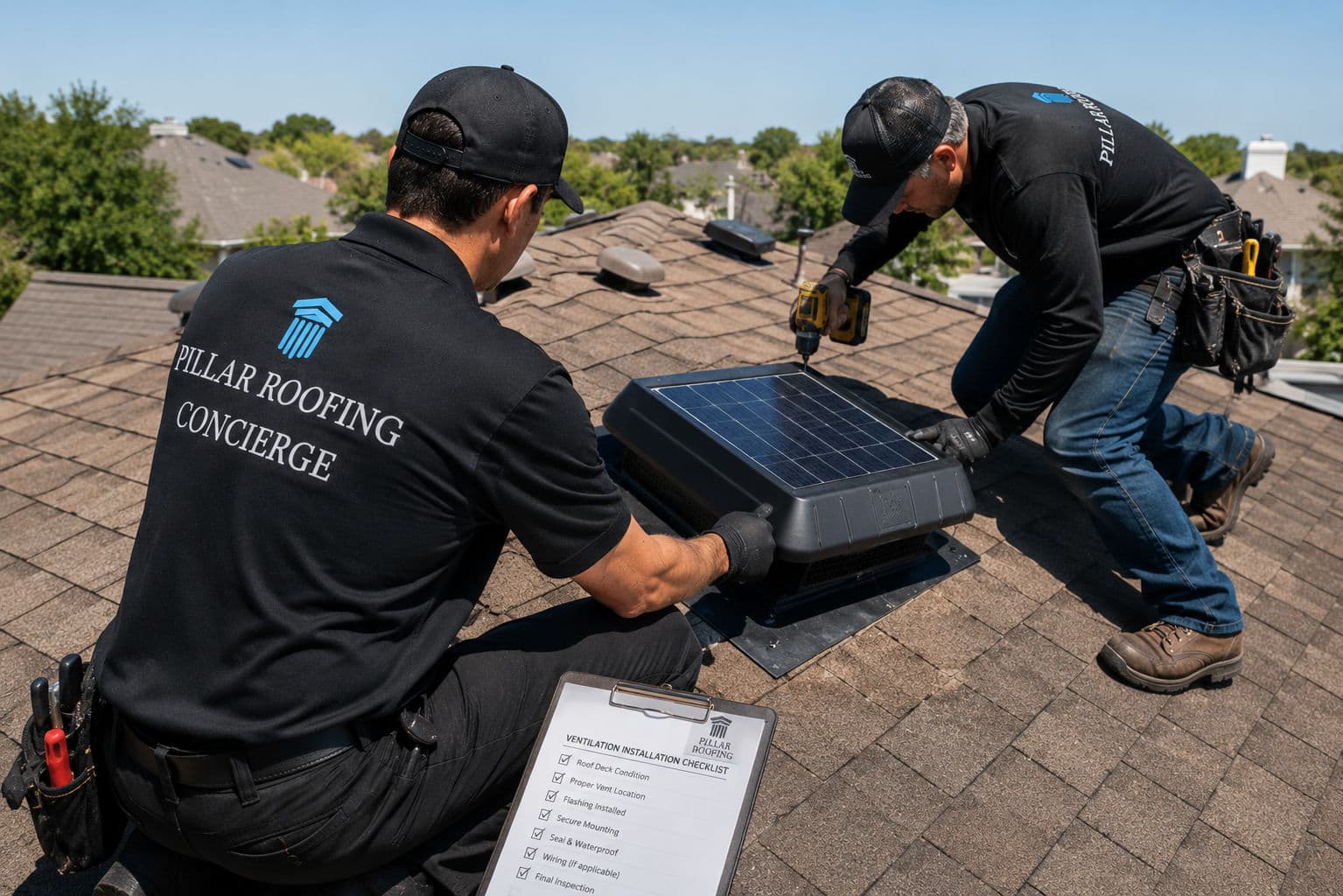
Solar attic fans begin working with the morning sun, exhausting trapped air and drawing in cooler outside air before heat accumulates. A cooler attic means less heat enters the home and less strain is placed on the A/C.
About Pillar Roofing
Built for Long-Term Performance
Depending on the manufacturer and model, the solar panel may carry a 20- to 25-year limited warranty, while the motor is often covered for five years.
A quality brushless Pittman motor is engineered for demanding, continuous service and may continue operating well beyond its written warranty when properly installed and ventilated.
Warranty coverage and expected service life are not the same—the warranty establishes the manufacturer’s obligation, while the motor’s actual lifespan can be considerably longer.
Published warranties also vary widely—one model lists 20 years on the panel and housing with five years on the motor, while others provide 10 or 15 years on all major components.
Why Businesses Trust Pillar Roofing
Real feedback on our roofing work, clear communication, and dependable service from start to finish

"Pillar Roofing replaced my roof and gutters last month and they did an excellent job. Steve and George are awesome! They were very quick to respond and answer any questions that we had. I highly recommend Pillar if you need a new roof!!"
"Can’t recommend Pillar Roofing enough! Steve and Wayne came out within a day of my talking to them, took their pictures and came back with several bid offers, everything from a full rebuild to simply minimal patching. We went with the middle road of doing a liquid TPO, which they got done in record time, and hauled off all their materials. No leaks on that project since, and we had them back out for another roof that started leaking after that terrible 2022 north Texas rainstorm. Same story, record time for the bid, and they got it done with no hassle on our end. Highly recommended! John Lee Harrison- The Armstrong Foundation"
"Pillar Roofing roofing has responded quickly to our requests and we have I have to admit that they've done an excellent job given very tight time constraints we recommend pillar roofing for any of your needs commercial or residential."
"Workers were friendly and very professional. Workers were on time and provided a detail inspection of areas needing repair. Gave a reasonable estimate, and started work. Completed work timely and professionally. Would recommend these guys to anyone."
"Everyone was so professional, we looked for multiple companies to get this completed and we decided to go with Pillar Roofing. Best decision we could have made. Steve and Wayne have been absolutely great to work with. Answered all questions we had and got us repaired in a timely manner. We used them on other properties projects we have had. Would highly recommended for a big or small project."
"We used Pillar Construction for our home repairs after the hail storm in 2016 and they went above and beyond. Very professional and took care of everything. Our roof looks amazing! We also had them paint our house as well as the fence and had new windows put in. I highly recommend them."
"When ever we have an issue with any of our properties we know exactly who to call! Key Point Management has been working with Pillar Roofing Commercial services since 2021 on many of our properties .They been nothing but quick,efficient and reliable from the start. I Highly recommend them!"
"EXTREMELY SATISFIED CUSTOMER! When I was first shopping for roofers for a major skylight leak I couldn’t even find an honest roofer. We have cameras all around our house. We had two roofers give us a quote to replace the entire roof that didn’t even get on top of our roof! BLAKE from Pillar Roofing came out and then met with me to go over his quote and suggested we get an insurance adjuster out because he saw some hail damage. Our roof was over 20 years old. So we did and the inspector agreed. Blake walked me through the entire process and answered all my questions. His crew showed up even earlier than Blake advised on both days. They cleaned up after demo and after install. They completed the job when Blake advised. The roof looks amazing and all my neighbors are asking for their number! Blake is extremely knowledgeable and took time to explain the process to me and everything he advised was true to what occurred. Blake is personable, patient, and very responsive. I felt completely at ease working with Blake on this major project! I am extremely pleased with Pillar Roofing!!!"
"We are extremely pleased with the work Pillar did on our roof. Blake Joyce managed the replacement of both the shingle and copper replacement of a very steep roof. All of their crew was very professional, hard-working and conscientious. They completed the work promptly and did a great job of clean up. We recommend them highly."
"Job was completed satisfactorily"
"We were treated like family by Steve and Pillar Roofing. Steve met with our insurance adjuster and made sure all storm damage was included in the claim. On top of getting a awesome new roof we also got all new exterior paint and all new gutters. I highly recommend Pillar for any storm damage repairs."
"Pillar installed a metal roof on my mobile home. They answered all my questions and had solutions for all my concerns about the roof. The roofing crew was professional in the installation of the medal roof. The crew left the job site clean even after removing two layers of roofing material and repairing the roof deck. This is an outstanding roofing company."
"I have called Marshall at Pillar Construction several times and he always responds quickly and handles all repairs in a professional and courteous manner. Pillar Construction does a great job with home repairs. I will definitely call them again when I need work done."
"Blake at Pillar Roofing did an outstanding job all thru the process. He was there when the adjuster came, and helped with the claim process. His crew was fadt, efficient & did high quality work. The also cleaned up very thoroughly & Blake came back several times to personally make sure we were happy with the roof. Ver highly recommended!!! John Gannon"
"I was researching online for replacement of my roof and Pillar Roofing was the first to respond. They were willing to communicate through text, which I appreciate. The man who came to inspect my roof was punctual, very friendly and thorough explaining my options and the procedure. After the insurance agent came to inspect the roof as well, a date was set and that morning the crew arrived and replaced the roof and cleaned up by 5 pm. The roof looks great. The crew was nice. I'm happy. Thank you."
"Marshall Was awesome!!!!! We had a storm come thru and he check our roof. We got busy with life and Marshall was Persistent (in a Good way) to make sure I was able to get the claim done. I had been in an auto accident and then we put out house on the market. Marshall and Pillar made the adjustments to help get the roof done and made sure that everything went smooth from start to finish. Even when there was a scheduling conflict they even made sure the work would be done around our busy schedule so we could continue to show the house. I am happy to say the house sold to a couple that had seen Pillar working on the roof. Marshall and Pillar have gain a life long client. I can not recommend them enough."
"Pilar is the Best Roofing Company in Richardson Texas"
"Very informative communication, prompt efficient construction, quality results! We're highly satisfied!"
"Superior quality, great follow up and customer relations. Great support with insurance examiner as well."
"Outstanding service. Never hawked me for payment. Very honest. Would highly recommend Pillar for roofing and other work"
"We used Pillar Construction for our home repairs (replace windows, roof, gutters, and re-stain fence) after the hailstorm in March of 2019. Steve was very responsive, worked with our insurance company, and ensured the work was completed to our satisfaction. I highly recommend them."
"Steve and his team went above and beyond to assist us in getting our roof and gutters replaced in a tight schedule. Steve was very responsive, worked with our insurance company, and ensured the work was completed to our satisfaction. I highly recommend Pillar Roofing."
"I have used pillar roofing two times now and they have been phenomenal and I have referred them to a friend and they were also VERY satisfied with their workmanship, I will continue referring them to anyone I know. Steve Monahan is a remarkable individual, super nice,super understanding and VERY professional. His crew's are also very polite and courteous.I will always use Pillar Roofing for All my roofing needs and then some ,they also take care of other repairs, check them out,you will not regret it. Sincerely Brett Clark, Rockwall,tx."
"The December 26, 2015, F4 tornado which went through Rowlett was devastating. Pillar Roofing was a God send concerning our roofing needs. From the beginning until the end, Mr. Monahan was concerned and at our side. The work was absolutely professional. Very impressive. Mr. Monahan's follow-up has been equally as professional."
"I could not have asked for better service. I was hit by the two major hail storms in Wylie. After the first one, I contacted Blake Joyce to look at my roof.........wasn't sure if I needed to contact my insurance company. He came out right away and confirmed the call. Needless to say, the second one hit and I then had hundreds of holes in my roof..........water coming in everywhere. My adjuster was already scheduled to come out the day after. Once he gave the OK......Blake had his crew were out to cover the roof that night..........by Friday (which was before the next big rain that came) he had our beautiful new roof going and finished Saturday morning. Thank you Pillar/Blake Joyce for the awesome job done and being so kind and patient! Karen Clevenger"
"Pillar handled the storm repair on my house in Wylie, TX in 2017. They repaired my roof, repaired my gutters, replaced my siding, and recommended a great guy to help repair and update my AC unit. They handled all the arrangements with me remotely as I was living out of state at the time. Their customer service was a huge help to me. They were honest, responsive, and understanding. I highly recommend this family owned company. Thank you Pillar!"
"Pillar Roofing was really great. We had our roof ruined in the spring hail storm of 2017 and they were among many roofers we talked to. Pillar gave us a reasonable quote, they were on time and the work was really terrific. And they cleaned up after the job! I highly recommend them."
"Got hit pretty bad with the Murphy Hail Storm last Spring. Steve the owner was personally engaged as well as several of his staff. He took us through the entire process and explained what to expect and the timing from start to finish. He worked directly with our Insurance company and assured all our damage was repaired and even pointed out things to the adjuster that we had no clue were covered. Very satisfied with the results and the professionalism of the crew. While I hope we never have to go through that again, you can be sure we will be calling Pillar Roofing if we do."
"I am very Happy with the customer service,the on time and the professional service. They also left a nice clean job site. Thanks. It looks great"
"Very professional and prompt; Marshall with Pillar really helped guide through both the repair process and the process of dealing with insurance claims. I firmly endorse them and would recommend them to friends and family."
"Steve will take care of you. Very responsive and professional."
"Awesome company, They came on property and fixed the problem we had. After the problem was fixed I received calls after to make sure we were ok and if we needed anything else fro them. I will definitely call them back. Christopher Reagor Revere Court Of Rockwall"
"Great company, great customer service!"
"I recently (late 2014) had a fairly major interior and exterior paint job, and woodwork replacement, done to my house. Our house is completely painted brick and fascia, a rather large job. I couldn't be happier with the level of service I received from Pillar Construction. I am a very picky person and they more than satisfied me. I would be happy to answer any questions from a perspective customer, or anyone else, but can't say enough good things about the services performed. They exceeded my expectations!!"