Roof Dry-In and Waterproofing

About Pillar Roofing
Concierge Home Waterproofing Service
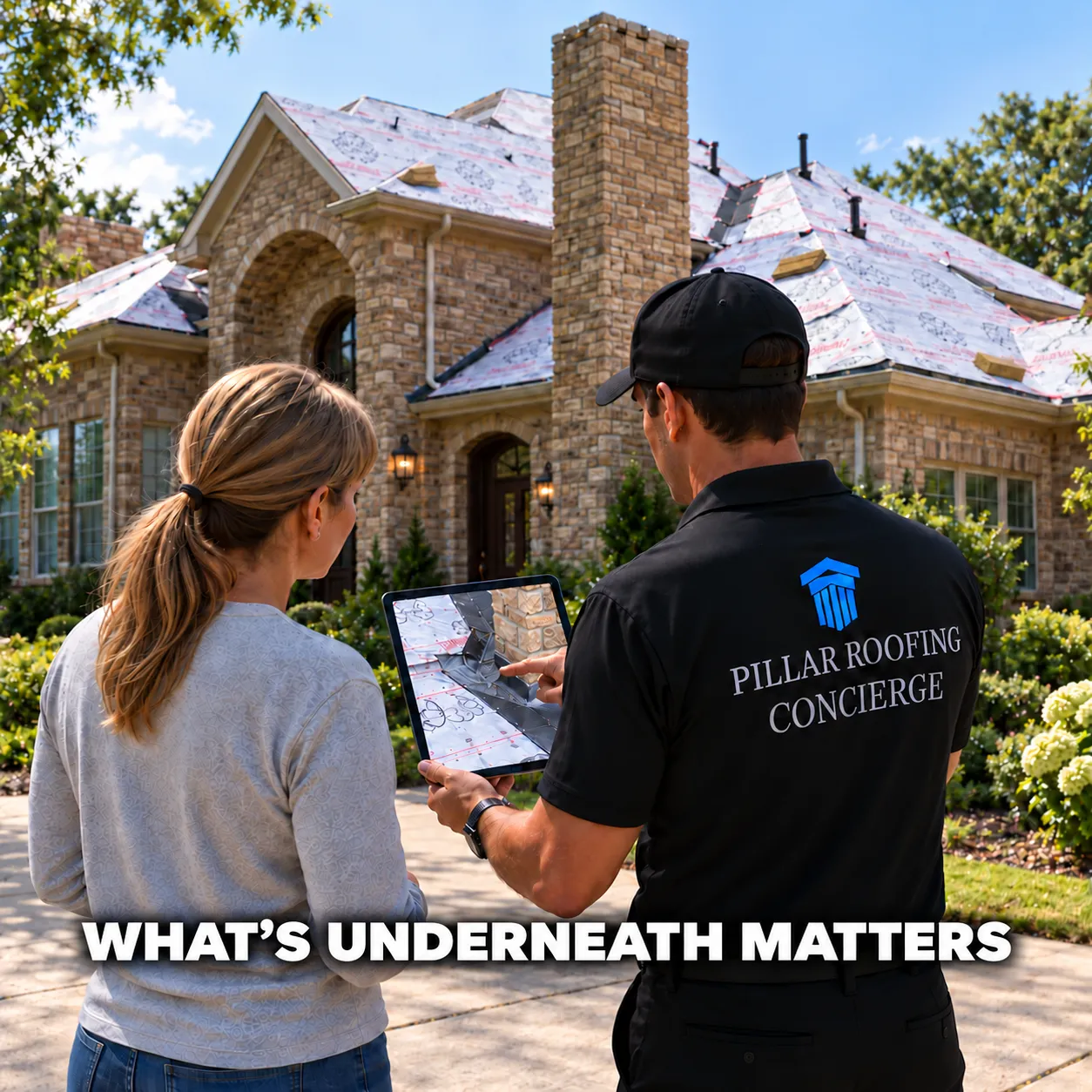
Your Pillar Roofing Concierge oversees every stage of this process, ensuring each layer is installed correctly and according to manufacturer specifications.
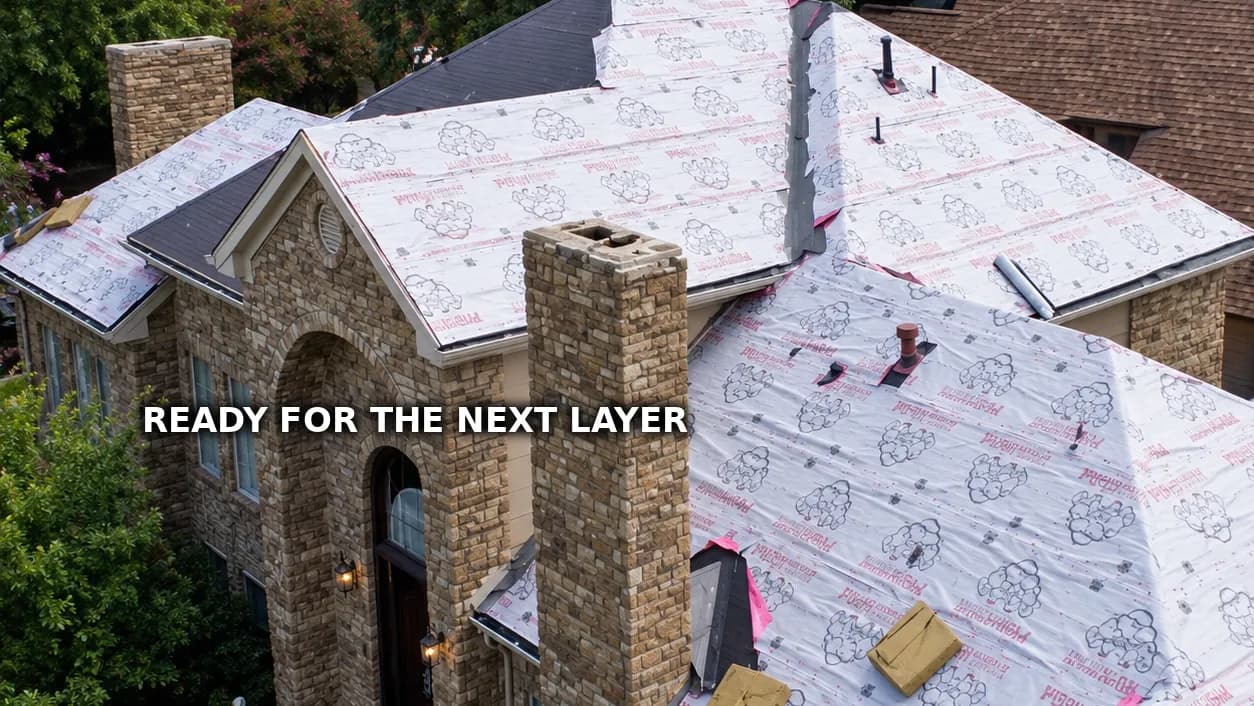
Starting with the roof decking, we install an ice and water barrier in vulnerable areas, followed by high-performance synthetic underlayment to provide a secondary moisture barrier across the entire roof.
Proper flashing around chimneys, walls, valleys, skylights, and roof penetrations directs water safely away from these critical areas before the shingles are ever installed.
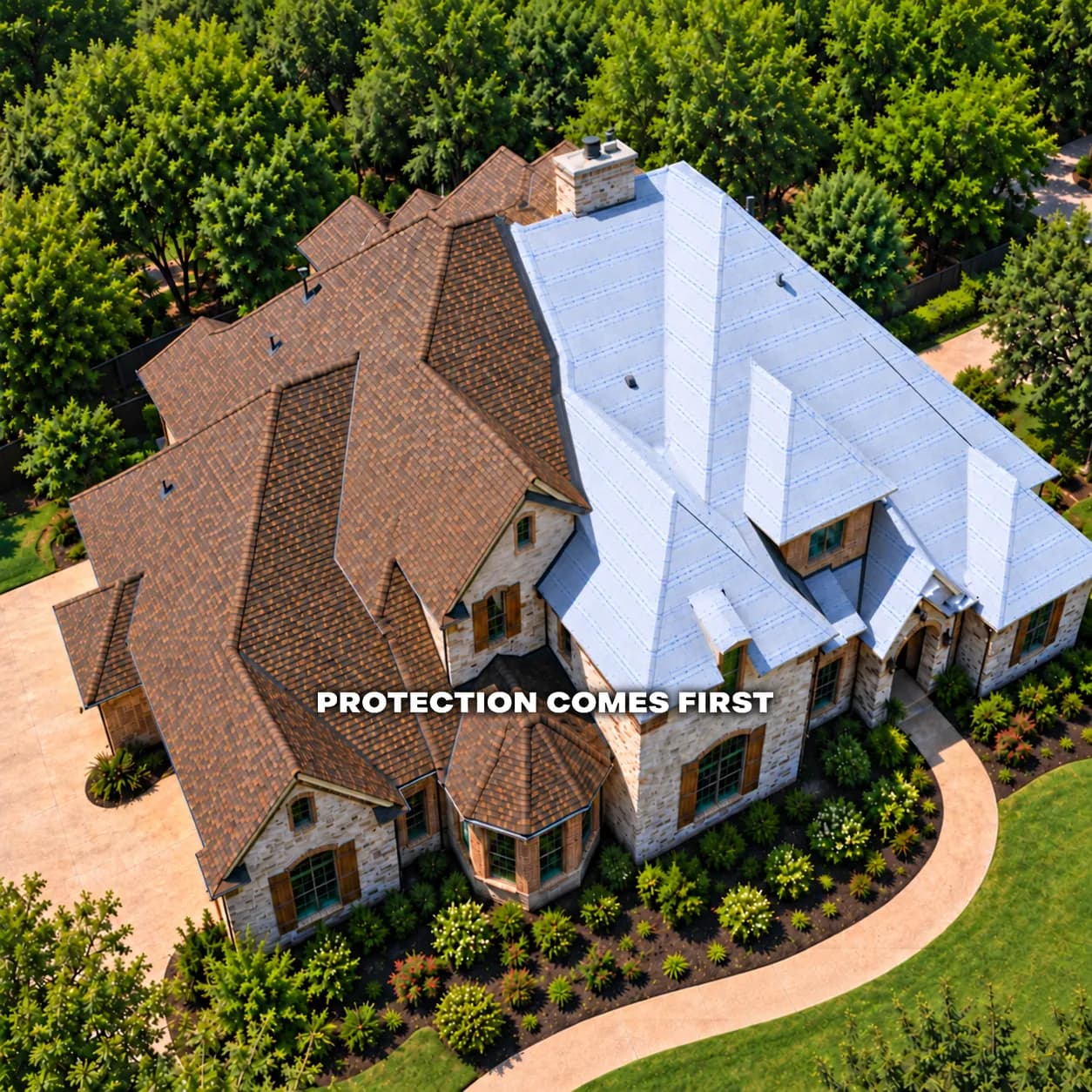
Some images on this page are illustrations used to demonstrate our services. Actual project photographs are also included.
Fast Dry-In Process Protection
We seal your roof quickly with underlayment and flashing to help prevent leaks before final roofing goes on.
Dry-In Process
Residential Dry-In Process
At Pillar Roofing, the residential dry-in process is one of the most important parts of protecting your home during a roof replacement.
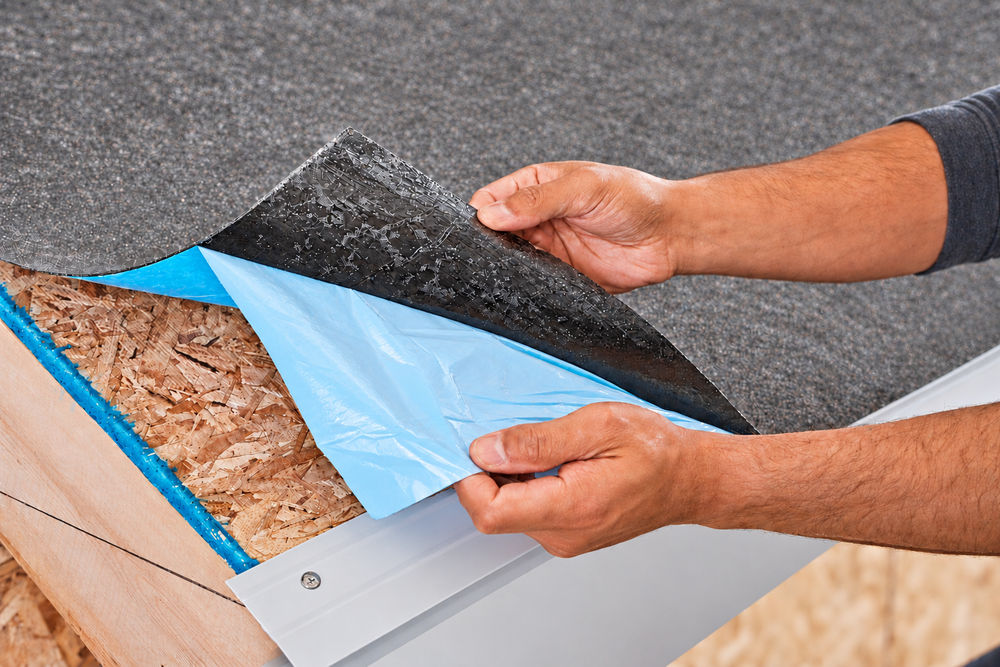
Roof Waterproofing starts with a product that is similar to a diver's wetsuit, then a building material; it's rubber-like on one side and the peel-and-stick side goes down directly on the wood roof deck as protection in the most vulnerable areas of the new roof system.
What a roofing dry-in means
A roofing dry-in is the stage where the roof deck is sealed and made weather-resistant before the final shingles or other roofing materials are fully installed. This gives your home a strong secondary water barrier. It is designed to help protect against rain, moisture intrusion, and problem areas around roof transitions and penetrations.
Chimney Ice and Water Shield
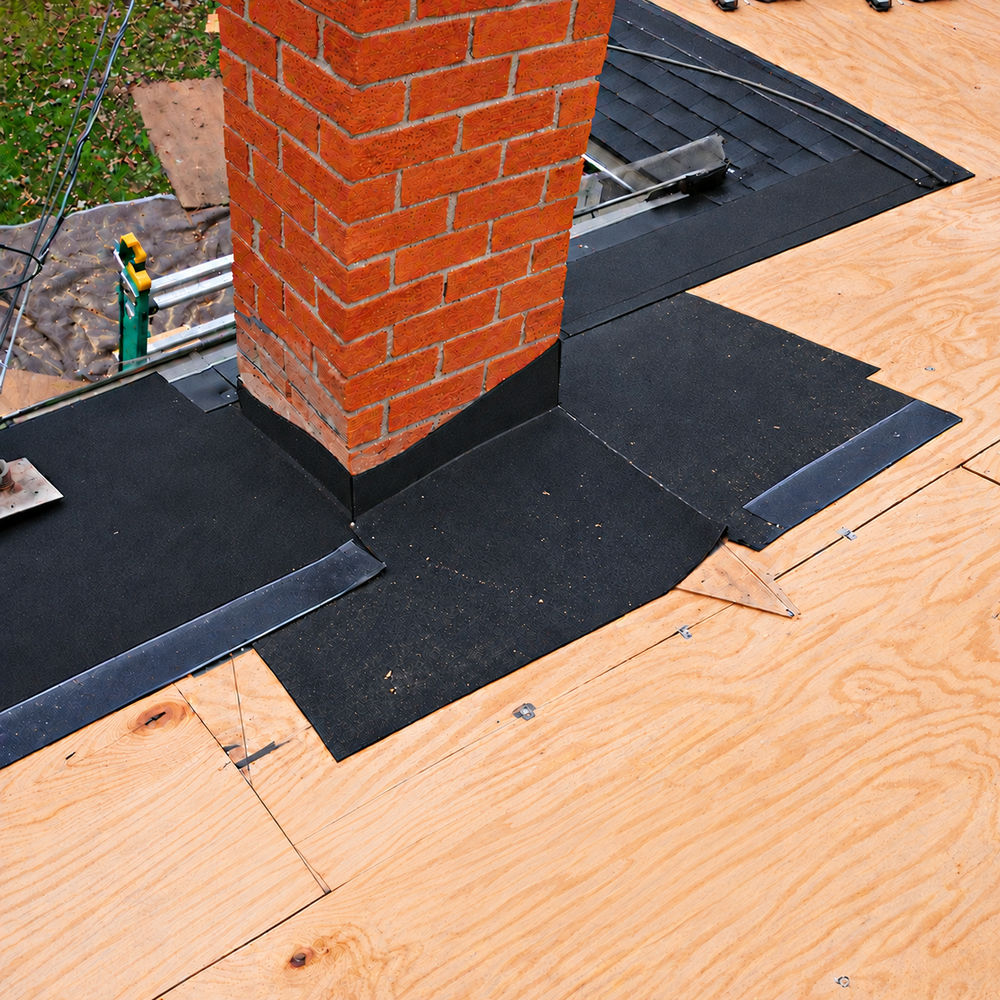
We apply a self-adhering membrane in the most leak-prone areas of the roof. This often includes eaves, valleys, roof penetrations, sidewalls, and around chimneys. Ice and water shield creates a watertight seal around nails and fasteners, reducing the risk of leaks in critical spots.
Synthetic underlayment
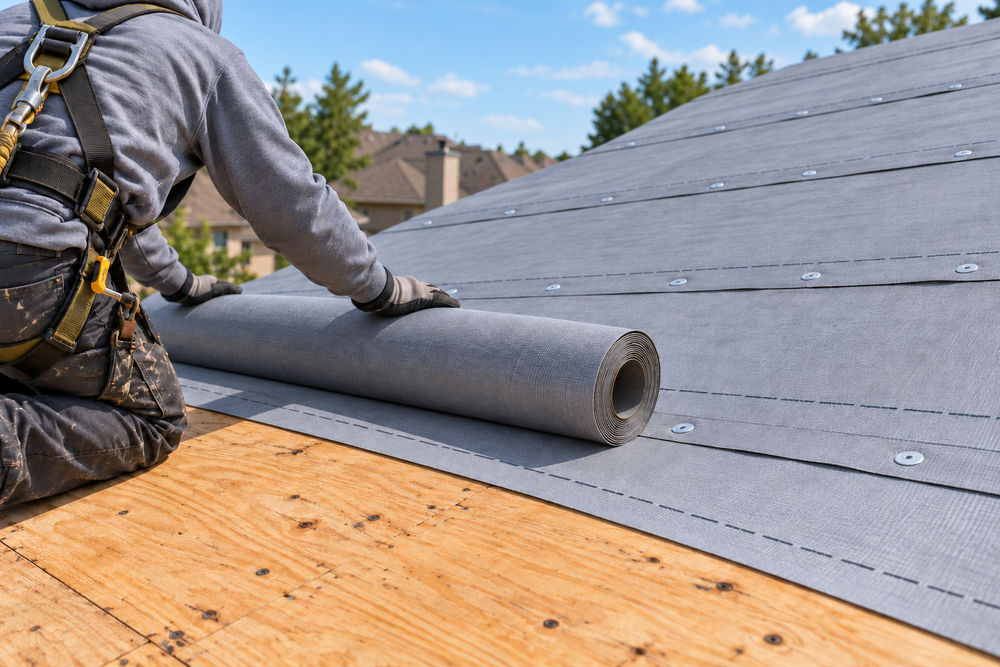
We install high-quality synthetic underlayment across the roof deck to act as a strong secondary moisture barrier under the finished roofing material. Compared to older felt products, synthetic underlayment is typically more durable, more tear-resistant, and better suited for modern roofing systems.
Drip edge metal
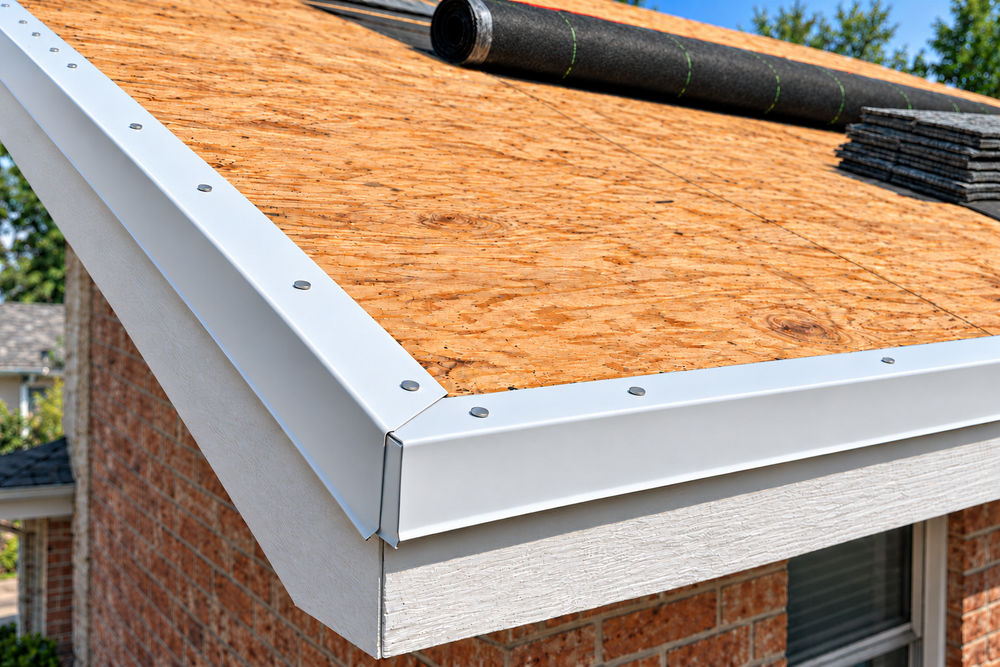
Drip edge is installed along eaves and rakes to help direct water away from the roof deck and fascia. This also helps protect the roof edges from moisture intrusion and supports a cleaner, more complete roof system.
Valley lining and flashing
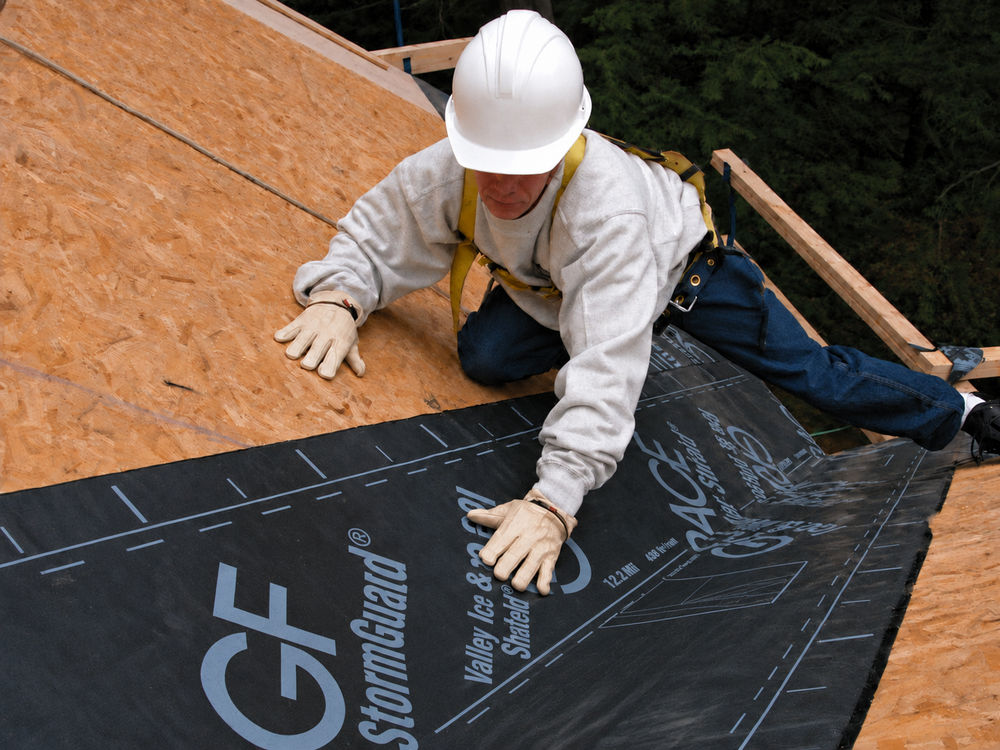
Roof valleys handle a heavy volume of water during storms. We reinforce these areas with proper lining and flashing so water can move off the roof without finding a path into the home. Valleys are one of the most common sources of roof leaks when they are not detailed correctly.
Chimney, wall, and penetration flashing
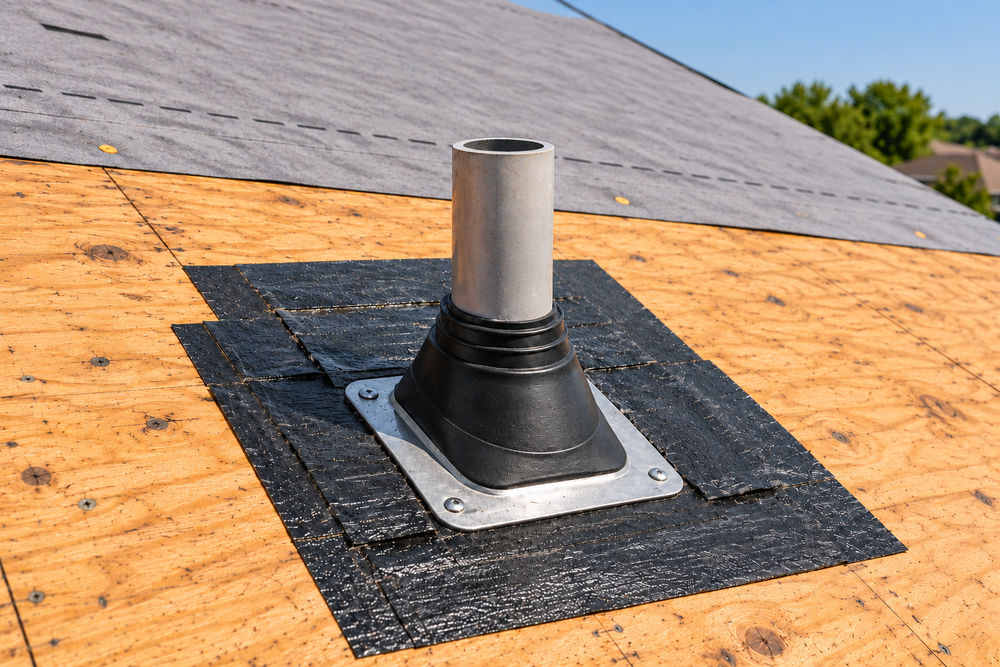
Any place where the roof meets another surface needs special attention. We install custom flashing around chimneys, vents, skylights, wall intersections, and other penetrations to create watertight transitions. These details matter because even a small gap in flashing can lead to major interior damage over time.
Why the dry-in stage matters so much
The dry-in process is not just about covering the roof deck. It is about controlling water before it ever gets a chance to reach your attic, insulation, ceilings, or walls. A properly installed dry-in system helps:
Protect your home from rain during roof replacement
Reduce the risk of leaks and moisture intrusion
Provide backup protection beneath shingles or other roof coverings
Safeguard vulnerable areas like valleys, chimneys, and penetrations
Support the long-term performance of the full roofing system
In North Texas, where hail, strong winds, and sudden storms are common, this added protection is a smart investment. It can make a major difference in how well your roof performs after installation.